Introduction
Navigating the globe of ostomies can really feel frustrating, and recognizing the terms related to them is crucial for patients, caregivers, and health care experts alike. In this extensive overview, we will explore what an ostomy stoma is, explore the various sorts of ostomies, discuss ostomy care training choices readily available for caregivers, and demystify the intricacies surrounding bowel care management. This post aims to offer quality on a subject that impacts lots of lives while guaranteeing that you win a deeper understanding of exactly how to look after a person with an ostomy. So, let's dive right in!
What is an Ostomy Stoma?
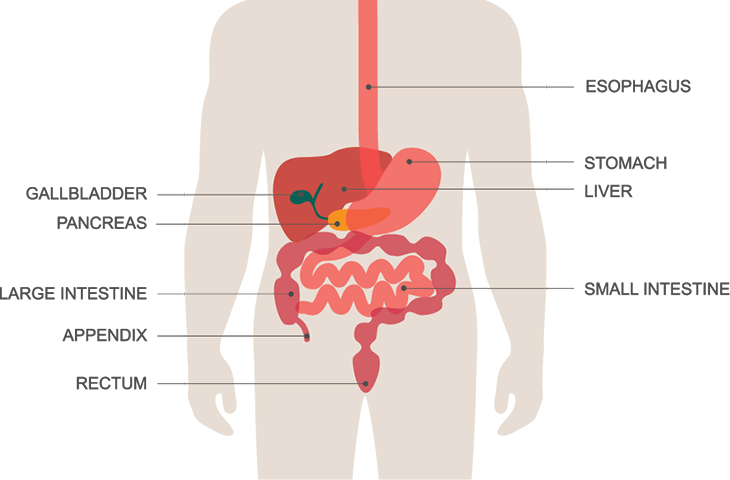
An ostomy stoma refers to an operatively developed opening in the abdomen that attaches a part of the intestinal tract or urinary system to the beyond the body. This treatment is typically essential as a result of medical problems like cancer, inflammatory digestive tract condition (IBD), or injury. The stoma functions as an alternative exit factor for waste when typical elimination courses are compromised.
Types of Ostomies
Colostomy
A colostomy includes bringing component of the colon through the abdominal wall. It might be momentary or long-term and is commonly suggested for problems impacting the reduced stomach tract.
Ileostomy
In an ileostomy, an area of the ileum (the last part of the tiny intestine) is drawn out to develop a stoma. This type is normally long-term and may be required for serious bowel diseases.
Urostomy
A urostomy requires creating a stoma from sections of the urinary system. It's primarily performed for individuals that have bladder issues or have had their bladder removed.
What Does Ostomy Care Entail?
Ostomy care includes handling health, stopping skin irritability around the stoma, and guaranteeing appropriate pouching systems are utilized. Caregivers play a crucial role in this process; therefore they should engage in specialized training.
Importance of Stoma Care Training for Carers
Training caretakers in stoma care is vital for guaranteeing both person convenience and health end results. Correct education and learning on how to take care of an ostomy can dramatically lower difficulties like infections or skin breakdown.
Stoma Treatment Training Programs Available
Basic Stoma Care Courses- These programs cover essential elements like cleaning techniques and pouch changes.
- Focused on intricate cases calling for deeper understanding about various types of pouches and specific skin care products.
- Tailored programs under Australia's National Impairment Insurance Plan (NDIS) focusing on handling complicated bowel needs effectively.
Who Needs Ostomy Care Training?
Anyone involved in looking after people with ostomies should go through training. This consists of relative, specialist caregivers, registered nurses, and even volunteers within community settings.
Benefits of Quality Training
- Enhanced understanding results in improved individual outcomes. Increased confidence in managing emergencies. Better psychological assistance provided by qualified caregivers.
Complex Bowel Treatment: Comprehending Its Necessity
The term "complex bowel care" includes a variety of practices aimed at assisting individuals manage their digestive tract wellness efficiently.
Components of Complex Bowel Care Management
Assessment- Regular assessments are essential for tracking any type of changes in digestive tract routines or health.
- Each individual might need tailored approaches based on their special needs.
- Knowledge concerning nutritional modifications can dramatically impact digestive tract health.
Caring for an Ostomy: A Detailed Guide
Successfully caring for somebody with an ostomy needs persistance and knowledge regarding daily regimens:
Daily Cleansing Routine- Gentle cleansing around the stoma to stop infections.
- Recommendations recommend changing pouches every 3-7 days depending on variables like outcome and skin condition.
- Adapting diet regimen according to individual tolerance degrees can help manage output consistency.
FAQs Regarding Ostomies and Stomas
What is a stoma? A stoma is a fabricated opening developed operatively that enables waste to exit the body when normal routes are not functional.
How long does it take to recover from ostomy surgery? Recuperation time differs per person but normally varies from 6-8 weeks post-surgery.
Can I live generally after obtaining an ostomy? Yes! Many people lead fulfilling lives after acquiring an ostomy with proper management and support.
Is there specialized training available for caregivers? Absolutely! Different programs focus specifically on teaching essential skills related to stoma care management.
Will I need ongoing support after my surgery? The majority of people gain from ongoing follow-ups with doctor concentrating on ostomy care even after recovery.
What ought to I do if there's leakage around my pouch? Assess your pouch fit quickly; consider changing your home appliance or consulting your doctor if leakages persist.
Conclusion

Understanding what an ostomy stoma is supporting someone with an ostomy and exactly how it can influence daily life is critical-- not simply for those living with one but also for their caretakers and liked ones involved in their treatment trip. With appropriate training-- like NDIS complex bowel care training-- caregivers can supply efficient support while fostering independence amongst those they assist.
As we've explored throughout this post, becoming experienced regarding basic principles pertaining to stomas lays down a strong structure not just for administration but likewise cultivates better communication between people and their support systems!
In recap, whether you're inquiring as a person freshly detected or seeking ways to improve your caregiving skills via specialized training courses like complex bowel care training-- bear in mind: knowledge empowers you every action of this journey!